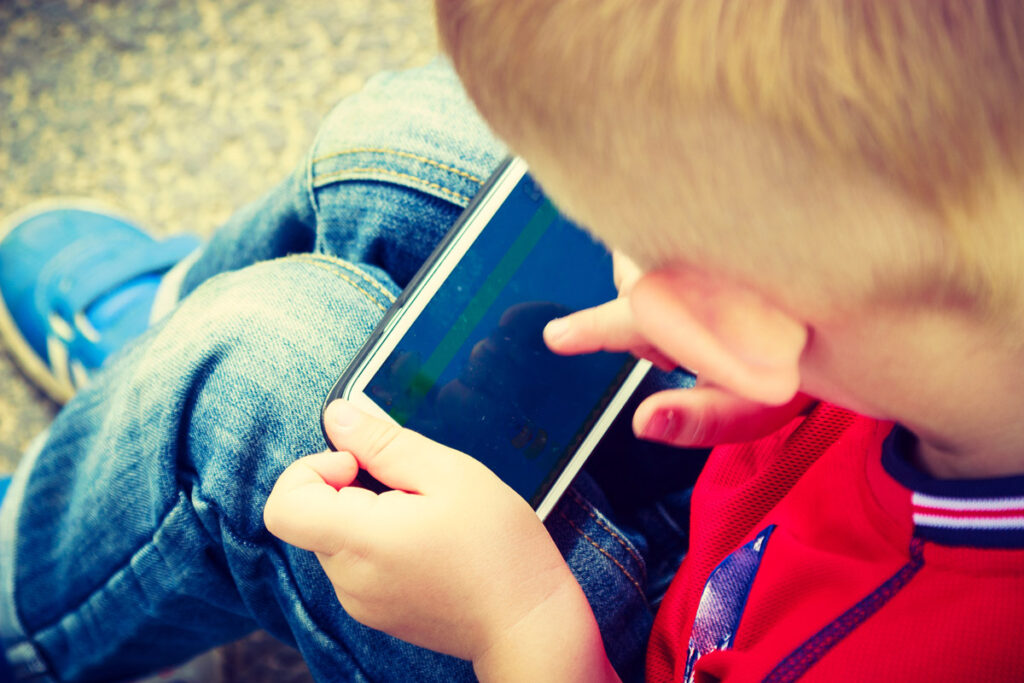
The future of education is undergoing a radical transformation, shaped by technological advancements, evolving societal needs, and a growing understanding of how children learn best. Traditional classroom models are giving way to more personalized, flexible, and immersive learning experiences. In the coming years, education for children will prioritize adaptability, creativity, and real-world problem-solving skills, preparing them for a future where knowledge is abundant, but the ability to apply it effectively is key.
Personalized and Adaptive Learning
One-size-fits-all education is rapidly becoming outdated. With AI-driven learning platforms, children can receive personalized education tailored to their learning pace, strengths, and interests. Adaptive learning systems use data to adjust lesson plans in real time, ensuring that students grasp fundamental concepts before moving on. This approach helps address learning gaps and supports both struggling and advanced students in reaching their full potential.
Integration of AI and Technology
Technology is not just an add-on to education—it is becoming a core component. Augmented reality (AR) and virtual reality (VR) are making learning more immersive, allowing children to explore ancient civilizations, conduct virtual science experiments, or practice problem-solving in simulated environments. AI tutors and chatbots provide instant feedback, guiding students through complex subjects while freeing up teachers to focus on deeper mentoring and individualized support.
Project-Based and Experiential Learning
Future classrooms will shift away from passive learning and emphasize hands-on, real-world problem-solving. Instead of memorizing facts, children will engage in collaborative projects that mirror real-life challenges, such as designing sustainable cities or developing solutions for environmental issues. This approach fosters critical thinking, creativity, and teamwork—skills essential for the evolving job market.
Emphasis on Soft Skills and Emotional Intelligence
As automation takes over routine tasks, the human qualities of empathy, communication, and emotional intelligence become more valuable. Future education will place greater emphasis on developing these skills, helping children navigate complex social environments, work effectively in teams, and build resilience. Schools will integrate mindfulness practices, conflict resolution training, and emotional well-being programs to support holistic development.
Global and Interdisciplinary Learning
With increasing global connectivity, future education will be more interdisciplinary and culturally inclusive. Language learning apps powered by AI, international virtual classrooms, and collaborative global projects will expose children to diverse perspectives and prepare them for a world that demands cross-cultural understanding. Education will focus on broader competencies, such as systems thinking and sustainability, encouraging students to tackle global challenges.
Lifelong Learning Mindset
The idea that education ends after school will become obsolete. Future education systems will instill a mindset of lifelong learning, equipping children with the curiosity and adaptability to continue acquiring new knowledge throughout their lives. Schools will focus on teaching students how to learn rather than simply what to learn, ensuring they can navigate a fast-changing world where skills need constant updating.
The future of education for children is one of personalization, technology integration, and real-world problem-solving. With an emphasis on adaptability, emotional intelligence, and lifelong learning, the next generation will be better prepared for an unpredictable and dynamic future. Education will no longer be confined to a classroom—it will be a continuous, engaging, and interactive experience that empowers children to shape the world they will inherit.